

Allergic Rhinitis, Sinusitis & Rhinosinusitis in Gurnee & Libertyville
Stuffy nose, sneezing fits, facial pressure, or a reduced sense of smell? You may be dealing with allergies, inflammation inside the nose (rhinitis), a sinus infection (sinusitis), or a mix of both—what many specialists now call rhinosinusitis. At Lake County ENT, we sort out what’s causing your symptoms and build a clear plan—from identifying triggers to relieving congestion and pressure so you can breathe and feel better.
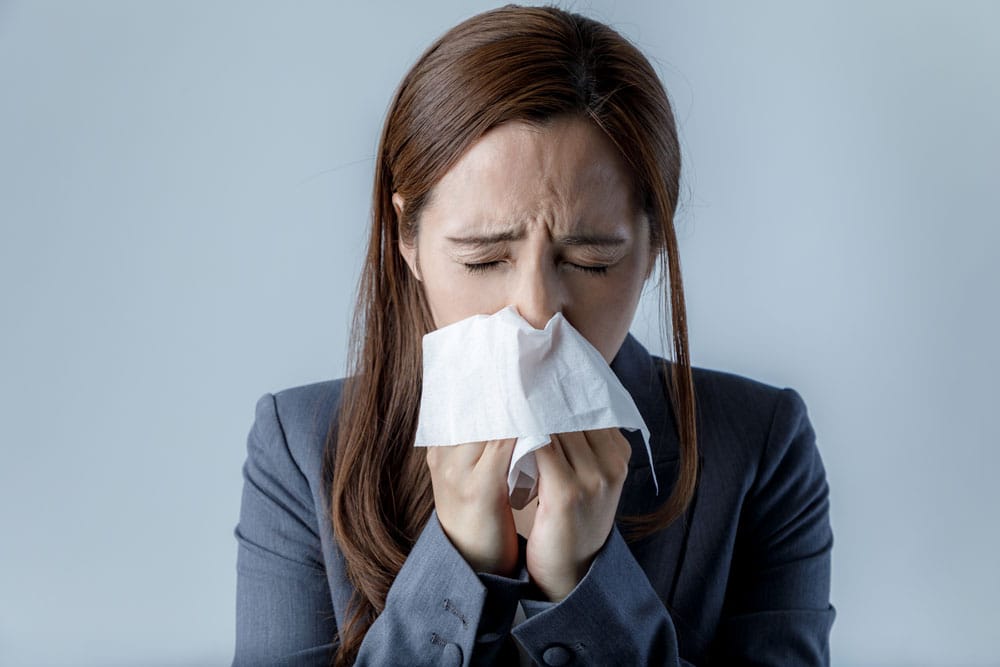
What it is
Rhinitis is inflammation inside the nose; sinusitis is inflammation/infection in the sinus cavities. Because they’re connected, they commonly occur together as rhinosinusitis.
Who it affects
All ages. Seasonal pollen, year-round allergens (pets, dust mites, molds), infections, and structural issues like a deviated septum can all play a role.
How we help
Targeted history, nasal exam, and testing if needed—then stepwise treatment: trigger control, medications, in-office procedures, and long-term prevention.
Not sure if it’s allergies, sinus infection, or both? We can pinpoint the cause and simplify your plan.
Common Symptoms
- Stuffy or runny nose; sneezing; itchy nose/eyes
- Facial pressure or pain; post-nasal drip
- Decreased or altered sense of smell
- Thick yellow/green mucus (with infections)
- Cough, sore throat, or fatigue from drainage
- Headache or ear pressure/fullness
Typical Causes
- Allergic rhinitis: Immune response to pollen, dust mites, molds, pets—seasonal or year-round.
- Non-allergic rhinitis: Irritants (smoke, odors), weather changes, medications, or cold air.
- Infections: Viral colds or bacterial sinusitis after blockage and mucus stasis.
- Structural issues: Deviated septum, enlarged turbinates, or polyps.
- Triggers by season: Tree pollens (spring), grasses (late spring/summer), ragweed (late summer/fall), molds (damp seasons).
When to call us: Symptoms lasting >10 days, keep returning, or affect sleep, work, or smell; facial pain/pressure with colored discharge; or frequent “sinus infections.”
Call 911 for severe headache with fever/neck stiffness, swelling around the eyes, vision changes, confusion, or other urgent neurologic symptoms.
How We Diagnose It
Our Evaluation
We clarify patterns (seasonal vs. year-round), exposures, prior treatments, and severity, then perform a focused ENT exam.
- History & medication review
- Nasal/ear exam; smell assessment when helpful
- Targeted endoscopic exam if indicated
Tests We May Use
- Allergy testing: Skin or blood testing to identify triggers.
- Imaging (CT): For persistent or recurrent sinusitis to evaluate anatomy and inflammation.
- Endoscopy: In-office look at the nasal passages and drainage pathways.
- Culture/labs: Selectively when needed to guide therapy.
Ready for answers and a plan that actually fits your life? Book an allergy & sinus evaluation.
Treatment Options
First-Line & Lifestyle
- Saline rinses: Rinse allergens/mucus, improve moisture.
- Trigger management: Pollen checks, HEPA filtration, dust-mite covers, pet dander strategies, mold control.
- Nasal steroid & antihistamine sprays: Reduce inflammation and itching/sneezing.
- Antihistamines/decongestants: Short courses as appropriate (we’ll guide you).
Condition-Specific Care
- Sinusitis treatment: Targeted antibiotics only when indicated; steroid rinses or short oral steroids for significant inflammation.
- Allergy immunotherapy: Shots or drops to retrain the immune system for long-term relief.
- Procedures: Office-based options or surgery for obstruction, polyps, or anatomy that blocks drainage.
- Follow-up: We tune your plan season-to-season.
Let’s reduce flare-ups and keep you breathing easier.
Helpful Tips at Home
Day-to-Day
- Saline rinse after outdoor exposure; shower before bed during high pollen days.
- Keep windows closed during peak pollen; use AC with clean filters.
- Run a dehumidifier in damp areas to discourage mold (<50% humidity).
Environment & Habits
- Use dust-mite covers on pillows/mattress; hot-wash bedding weekly.
- Limit strong fragrances/smoke; ventilate when cleaning or painting.
- Check daily pollen/mold counts to plan activities.
What to Expect at Your Visit
Visit Steps
- Listen & evaluate: Symptoms, seasons, home/work environment.
- Targeted exam/testing: Comfortable nasal exam; testing if helpful.
- Plan together: Clear meds, trigger control, and next steps.
Good to Know
- Many patients improve quickly with consistent nasal therapy.
- Immunotherapy can reduce long-term reliance on medications.
- We adjust plans across seasons to prevent flare-ups.
Questions about your allergies or sinus symptoms? Talk to our team today.
FAQs
Related Topics
Ready to breathe better and feel better? We’ll create a plan tailored to your triggers and symptoms.