

Ear Tubes (Pressure Equalization Tubes) in Gurnee & Libertyville
Ear tubes are tiny, hollow cylinders placed through the eardrum to gently ventilate the middle ear and prevent fluid buildup. They’re one of the most common pediatric procedures—and helpful for some teens and adults, too—when ear infections or persistent fluid keep coming back. At Lake County ENT, we’ll determine if tubes are the right step and guide you through a smooth, family-friendly experience.
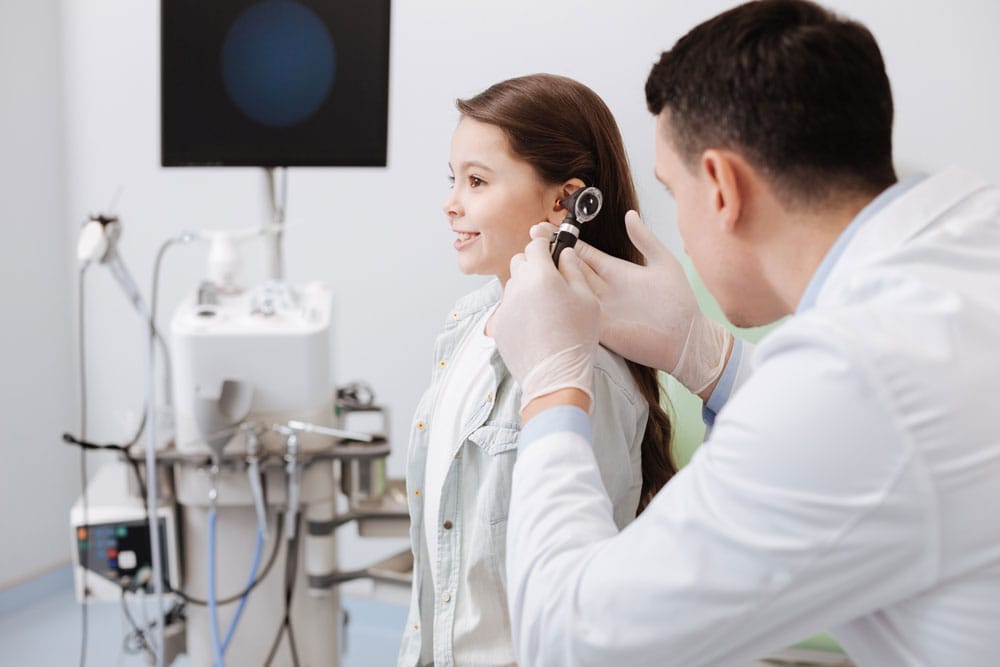
What they are
Small tubes placed in the eardrum to let air in and fluid out. Also called tympanostomy, myringotomy, or PE tubes.
Who benefits
Kids with recurrent ear infections or chronic fluid with hearing loss; selected teens/adults with Eustachian tube problems.
How we help
Clear evaluation, hearing tests as needed, shared decision-making, and quick, comfortable placement with thoughtful aftercare.
Wondering if ear tubes could help your child’s infections or hearing? We’ll give you clear answers.
Why Ear Tubes Are Considered
- Recurrent middle-ear infections (acute otitis media)
- Chronic fluid behind the eardrum (otitis media with effusion)
- Hearing loss, speech delay, or school concerns from persistent fluid
- Barotrauma or pressure problems (flying, diving)
- Structural or medical conditions affecting drainage (e.g., cleft palate)
Expected Benefits
- Fewer infections: Ventilation helps prevent fluid trapping.
- Improved hearing: Fluid-related hearing loss often resolves quickly.
- Better sleep & behavior: Less pain and nighttime waking.
- School & speech gains: More consistent hearing supports learning and speech.
When to call us: Repeated ear infections, persistent ear fluid >3 months, hearing concerns, or ongoing ear pain/pressure.
Call 911 for severe dizziness, high fever with neck stiffness, swelling/redness behind the ear, or sudden facial weakness.
How We Diagnose & Decide
Our Evaluation
We review infection history, symptoms, and hearing or learning concerns, then perform a focused ear exam.
- Microscope ear exam & eardrum mobility
- Medical and medication review
- Discussion of goals and treatment options
Tests We May Use
- Audiogram: Checks hearing across pitches.
- Tympanometry: Measures middle-ear pressure/fluid.
- Additional studies: Only when needed for special situations.
Ready to discuss whether tubes make sense? We’ll review risks, benefits, and timing together.
Ear Tube Placement & Aftercare
The Procedure
- Myringotomy: A tiny opening is made in the eardrum and fluid is gently suctioned.
- Tube placement: A small tube is set into the opening to ventilate the middle ear.
- Timing: Often <15 minutes; most young children have brief general anesthesia.
- Recovery: Usually quick; drops may be used for a few days.
Aftercare & Follow-Up
- Most tubes fall out on their own in 6–18 months (short-term) or later (long-term).
- We’ll recheck hearing if it was reduced beforehand.
- Routine water precautions aren’t usually necessary unless we advise otherwise.
- We’ll schedule follow-ups to make sure everything is healing well.
Let’s reduce infections and improve hearing with a plan that fits your family.
Possible Risks (Uncommon)
What to Know
- Perforation: The opening rarely stays after a tube comes out; if it does, repair can close it.
- Scarring: Mild eardrum scarring (tympanosclerosis) is usually harmless to hearing.
- Infection/drainage: Can still occur, but is typically milder and treated with ear drops.
- Early/late extrusion: A tube may fall out early (fluid can return) or stay longer and need removal.
Special Situations
- Some children benefit from adenoid removal if fluid/infections persist, especially age ≥4.
- We’ll individualize timing and tube type based on age, history, and goals.
What to Expect at Your Visit
Visit Steps
- Listen & evaluate: History, infections, school/speech concerns.
- Targeted exam/testing: Comfortable ear exam; tympanometry/audiogram if helpful.
- Plan together: Observation, medications, or tube placement with clear aftercare.
Good to Know
- Most families are in and out the same day for tube placement.
- Hearing often improves right away once fluid clears.
- You’ll leave with simple, written instructions for home.
Questions about ear tubes or alternatives? Talk to our team today.
FAQs
Related Topics
- Ear Pain & Otitis Media
- Hearing Loss
- Tonsillectomy & Adenoidectomy
- Dizziness & Balance
- Cholesteatoma
Ready for fewer infections and clearer hearing? We’ll tailor a plan that fits your family.