

Cholesteatoma Care in Gurnee & Libertyville
Cholesteatoma is an abnormal skin growth that forms behind the eardrum in the middle ear. It often begins as a small pouch that sheds layers of skin and can gradually enlarge. Over time it may damage delicate hearing bones and nearby structures—so getting the right diagnosis and plan matters. At Lake County ENT, we’ll explain what’s happening in clear terms and guide you step by step toward safer, healthier ears.
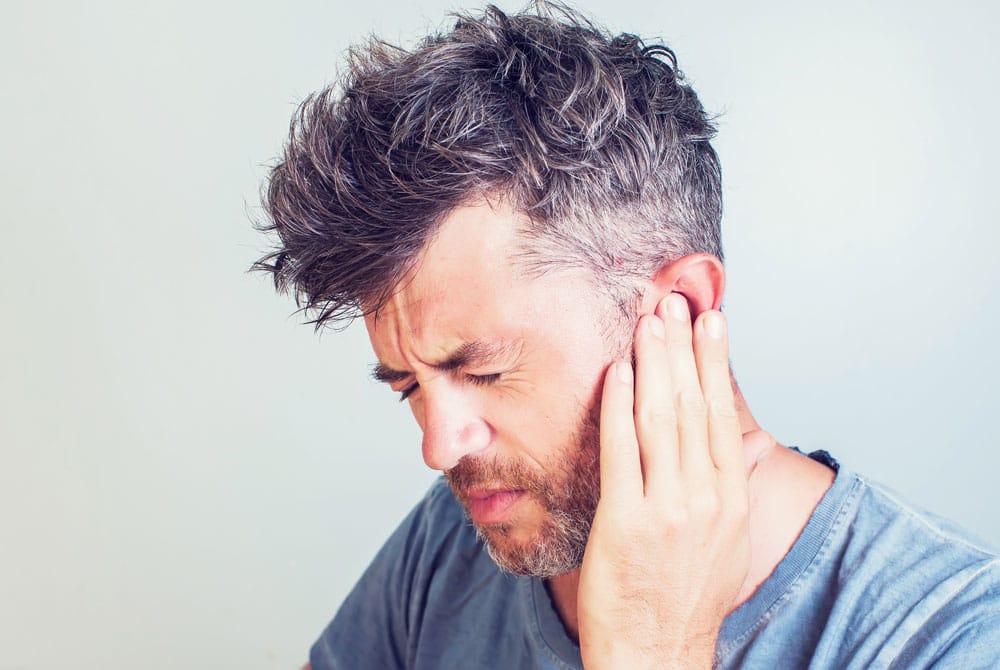
What it is
A non-cancerous growth of trapped skin cells behind the eardrum. It can enlarge and erode nearby structures if not treated.
Who it affects
Children and adults—often after repeated ear infections, eardrum retraction, or poor Eustachian tube function. Less commonly present from birth.
How we help
Focused ear exam, hearing testing, imaging when needed, and a clear plan—from infection control to surgery when appropriate.
Not sure if ongoing drainage or hearing loss could be a cholesteatoma? We can pinpoint the cause and map out next steps.
Common Symptoms
- Persistent or recurrent ear drainage (often with odor)
- Hearing loss or a feeling of fullness/pressure in the ear
- Intermittent ear pain or aching behind the ear
- Occasional dizziness or imbalance
- Rarely, facial weakness on the affected side
Why It’s Important to Treat
- Bone erosion: Can damage the tiny hearing bones (ossicles) and other nearby structures.
- Chronic infection: Ongoing drainage and inflammation may persist without treatment.
- Serious complications (uncommon): Inner-ear involvement, spread of infection, or neurologic issues if neglected.
When to call us: Persistent ear drainage, new or worsening hearing loss, ongoing ear pressure/fullness, or repeated ear infections—especially if symptoms last >1–2 weeks.
Call 911 for severe headache, high fever with neck stiffness, facial paralysis, confusion, or other urgent neurologic symptoms.
How We Diagnose It
Our Evaluation
We review your history (infections, prior surgeries, drainage patterns) and perform a careful ear exam—often with a microscope—for a clear view of the eardrum and middle ear.
- Detailed ear exam (otoscopy/microscopy)
- History & medication review
- Assessment of Eustachian tube function
Tests We May Use
- Hearing tests (audiogram, tympanometry): Measure hearing and middle-ear pressure.
- Imaging (CT of temporal bone): Defines extent of disease and bone involvement when planning surgery.
- Culture/labs: Occasionally used for persistent drainage.
Ready to get answers? Book a focused ear evaluation.
Treatment Options
Infection Control & Stabilization
- Careful cleaning: In-office debridement of debris when needed.
- Topical drops / antibiotics: Used to calm active infection or drainage.
- Short courses of anti-inflammatory therapy: As clinically indicated.
Surgery & Hearing Reconstruction
- Cholesteatoma removal: The primary goal is a safe, dry ear.
- Ossicular chain repair: Hearing bones may be reconstructed when feasible.
- Staged approach: A second-look or reconstruction surgery may be recommended 6–12 months later.
- Follow-up: Periodic exams help monitor for recurrence and maintain ear health.
Let’s choose the safest, most effective path for your ear.
Helpful Tips at Home
Protect Your Ear
- Keep water out of the ear during active drainage (use cotton with petroleum jelly in the outer ear when showering as advised).
- Avoid inserting cotton swabs or objects in the ear canal.
- Follow drop instructions precisely if prescribed.
Day-to-Day Support
- Note changes in drainage, odor, pain, or hearing and share at visits.
- Attend follow-ups—ongoing checks help prevent complications.
- Ask about hearing protection and communication strategies if hearing is reduced.
What to Expect at Your Visit
Visit Steps
- Listen & evaluate: Review symptoms, prior infections/surgeries.
- Targeted exam/testing: Comfortable ear exam; hearing tests; imaging if needed.
- Plan together: Clear recommendations for infection control, surgery, and follow-up.
Good to Know
- Goal #1 is a safe, dry ear; hearing is addressed whenever possible.
- Some cases need staged surgery to ensure complete removal and restore hearing.
- Regular checks reduce the risk of recurrence or long-term problems.
Questions about your ear or hearing? Talk to our team today.
FAQs
Related Topics
Ready for a clearer plan—and clearer hearing? We’ll guide you from diagnosis to recovery.