

Tinnitus (Ringing in the Ears) in Gurnee & Libertyville
Tinnitus—the perception of sound such as ringing, buzzing, or hissing when no external sound is present—affects over 50 million Americans. For some, it’s a mild background noise; for others, it can be disruptive to concentration, sleep, and peace of mind. At Lake County ENT, we identify the possible causes of tinnitus, rule out underlying conditions, and help you manage or minimize its effects through proven, evidence-based approaches.
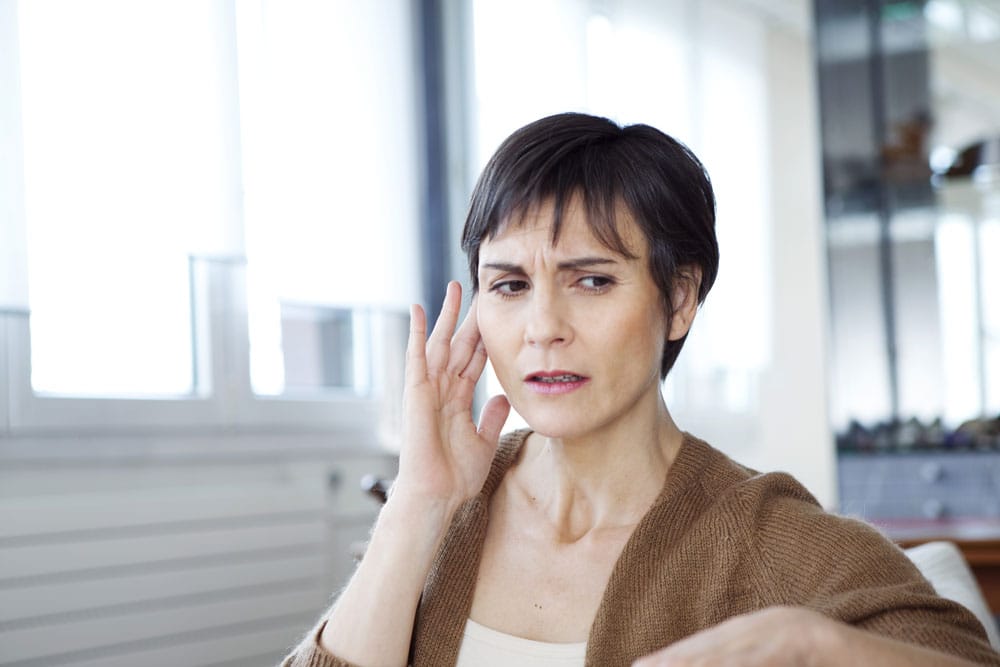
What it is
Perception of sound (ringing, buzzing, hissing, or whooshing) without an external source—often a symptom of ear or hearing conditions.
Who it affects
Adults and children of all ages, most often those with hearing loss, noise exposure, ear infections, or certain medical conditions.
How we help
Comprehensive hearing testing, diagnosis of underlying causes, and sound-based or behavioral therapies to reduce its impact.
Ringing or buzzing that won’t go away? We’ll identify the cause and help you find relief.
Common Causes of Tinnitus
- Hearing loss: Age-related or noise-induced damage to inner ear hair cells
- Earwax buildup: Pressure on the eardrum or canal can create ringing or fullness
- Middle ear problems: Infections, fluid buildup, or otosclerosis
- Medication side effects: Certain antibiotics, diuretics, and high-dose aspirin
- Exposure to loud noise: Concerts, headphones, machinery, or gunfire
- Jaw/TMJ issues: Jaw tension or arthritis affecting the ear’s nerve pathways
- Circulatory changes: “Pulsatile tinnitus” that beats with your heartbeat
- Neck or head injury: Trauma affecting the hearing nerve or inner ear
- Stress & anxiety: Can make tinnitus more noticeable and intrusive
When to call us: Sudden, one-sided, or pulsating tinnitus—especially with hearing loss or dizziness—should be evaluated promptly.
Call 911 for sudden severe hearing loss, severe vertigo, or neurological symptoms.
How We Diagnose Tinnitus
Our Evaluation
- Review of your symptoms, hearing history, and possible triggers
- Comprehensive ear exam and cleaning if wax is present
- Assessment for noise exposure, medications, and overall health
Tests We May Use
- Hearing test (audiogram): Identifies hearing loss or asymmetry
- Imaging (CT or MRI): If tinnitus is one-sided or pulsatile
- Additional testing: Blood pressure, TMJ exam, or vascular evaluation if needed
Treatment Options
Sound-Based Therapies
- Hearing aids to improve hearing and mask internal noise
- White noise machines, bedside sound generators, or apps
- Tinnitus maskers or retraining therapy to reduce awareness
Counseling & Lifestyle Management
- Cognitive behavioral therapy (CBT): Helps reframe perception of tinnitus
- Relaxation and stress management techniques
- Avoiding caffeine, nicotine, and loud environments
- Monitoring medications that may worsen symptoms
There’s no one-size-fits-all cure—but you can manage tinnitus and reclaim peace of mind.
FAQs
Related Topics
Don’t live with constant ringing. Schedule a visit for personalized tinnitus care and hearing support.