

Thyroid Cancer in Gurnee & Libertyville
The thyroid is a butterfly-shaped gland in the front of the neck that helps regulate metabolism, energy, and hormone balance. Thyroid cancer is common—especially in women—and is often discovered early during a routine exam or imaging test. At Lake County ENT, we specialize in diagnosing and treating thyroid conditions with compassion and expertise, guiding you from evaluation through recovery.
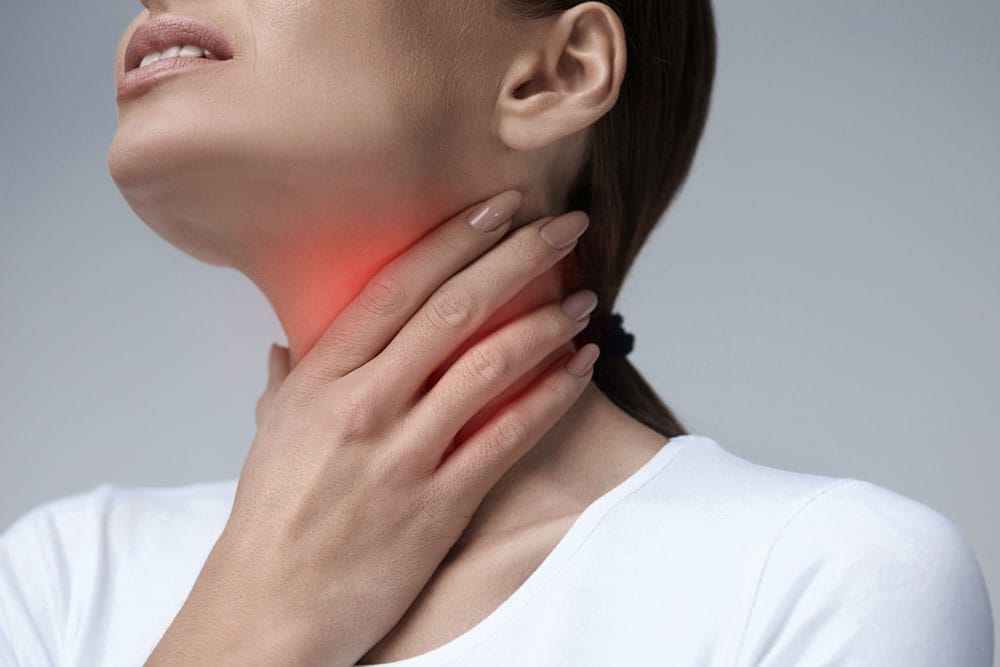
What it is
A growth of abnormal cells within the thyroid gland, which can form a nodule or lump in the neck and may affect hormone balance or nearby structures.
Who it affects
Most common in women between 30–60 years old. Risk factors include family history, radiation exposure, and thyroid nodules.
How we help
Expert ultrasound, biopsy, and surgical treatment when needed. We coordinate your care with trusted endocrinologists for long-term wellness.
Felt a lump in your neck or noticed voice changes? Schedule a thyroid evaluation today.
Common Symptoms
- Lump or swelling in the neck (often painless)
- Changes in voice, including hoarseness
- Difficulty swallowing or a feeling of pressure in the throat
- Persistent cough not related to illness
- Neck discomfort or enlarged lymph nodes
How We Diagnose Thyroid Cancer
Our Evaluation
- Thorough head and neck exam to feel for nodules or swelling
- Thyroid ultrasound for structure and nodule size
- Fine-needle aspiration (biopsy) to test thyroid tissue
- Collaboration with endocrinology for hormone and imaging studies
Testing & Imaging
- Ultrasound-guided biopsy: Safely removes a small tissue sample for analysis
- CT or MRI: For advanced or complex cases
- Radioiodine scan: Evaluates thyroid function and spread when indicated
Types of Thyroid Cancer
- Papillary: Most common type; slow-growing and highly treatable.
- Follicular: Similar to papillary, often with excellent prognosis.
- Medullary: Less common; may be hereditary or sporadic. Managed primarily with surgery.
- Anaplastic: Rare but aggressive form that requires a multidisciplinary approach.
- Hurthle Cell: A subtype of follicular cancer with unique cellular features.
Early detection makes a big difference. We’re here to guide you through every step of diagnosis and care.
Treatment Options
Surgical Treatment
- Thyroidectomy: Removal of part or all of the thyroid gland
- Lymph node dissection: Removes nearby nodes if cancer has spread
- Performed under general anesthesia by a skilled ENT surgeon
- Low complication rate with expert technique and monitoring
Additional Therapies
- Radioactive iodine therapy: Used after surgery to destroy residual thyroid tissue
- Thyroid hormone therapy: Maintains healthy metabolism and prevents recurrence
- Ongoing coordination with endocrinologists for follow-up care
What to Expect at Your Visit
Visit Steps
- Listen & evaluate: Review symptoms, family history, and prior imaging
- Exam & testing: Ultrasound and biopsy as needed
- Plan together: Personalized treatment and support options
Good to Know
- Most thyroid cancers grow slowly and are highly treatable
- Regular follow-up and hormone monitoring ensure long-term success
- We work with trusted specialists for seamless, coordinated care
You’re not alone. Our team provides expert surgical care and ongoing support for thyroid cancer patients.
FAQs
Related Topics
Have questions about thyroid surgery or biopsy? We’re here to help you every step of the way.